Conversations surrounding death, burial, and final wishes are often postponed until moments of grief and urgency, leaving families overwhelmed by difficult decisions at the very time they are least prepared to make them. This guide was created to encourage thoughtful preparation ahead of time—allowing individuals and families to reflect calmly on personal wishes, practical arrangements, spiritual considerations, and the kind of care and dignity they hope to preserve for themselves and their loved ones. It is not intended to create fear or pressure, but rather to offer structure, clarity, and peace of mind through simple preparation and open conversation. For those seeking to maintain Torah-aligned values and customs, particularly righteous non-Jews and Ger Toshav–minded families, careful planning may also help ensure that important religious and personal considerations are understood and respected when the time eventually comes.
Our complimentary Final Planning Guide was created as a thoughtful resource to help individuals and families prepare for one of life’s most difficult and often avoided conversations with greater clarity, dignity, and peace of mind. Rather than functioning as a sales brochure or formal contract, the guide was designed as a practical and reflective workbook—something families can sit with privately, revisit over time, and use to thoughtfully organize personal, spiritual, logistical, and financial considerations long before decisions must be made under the pressure of grief.
The guide includes space for recording important information such as burial preferences, desired location considerations, family contacts, cemetery and service wishes, personal values, religious customs, charitable intentions, obituary notes, document locations, and other matters that loved ones are often left trying to piece together during emotionally overwhelming moments. It also encourages healthy family communication by creating an opportunity for conversations that many people intend to have, but rarely do.
In addition to practical preparation, the guide was created with the belief that careful planning itself can be an act of kindness toward one’s family. Clear instructions and thoughtful preparation can help reduce confusion, financial stress, rushed decision-making, and avoidable conflict during times of mourning. For righteous non-Jews and Ger Toshav–minded individuals seeking to preserve Torah-aligned values and customs, it may also help ensure that important spiritual and religious considerations are known and respected ahead of time rather than navigated unexpectedly during periods of grief and urgency.
The workbook is offered freely as part of Ahm Kodosh’s broader desire to provide meaningful support and practical resources to the community wherever possible. Families are encouraged to adapt the guide according to their own traditions, circumstances, and level of observance, and when questions of Jewish law or religious practice arise, to seek proper guidance from qualified Orthodox rabbinical authorities familiar with their community and custom.

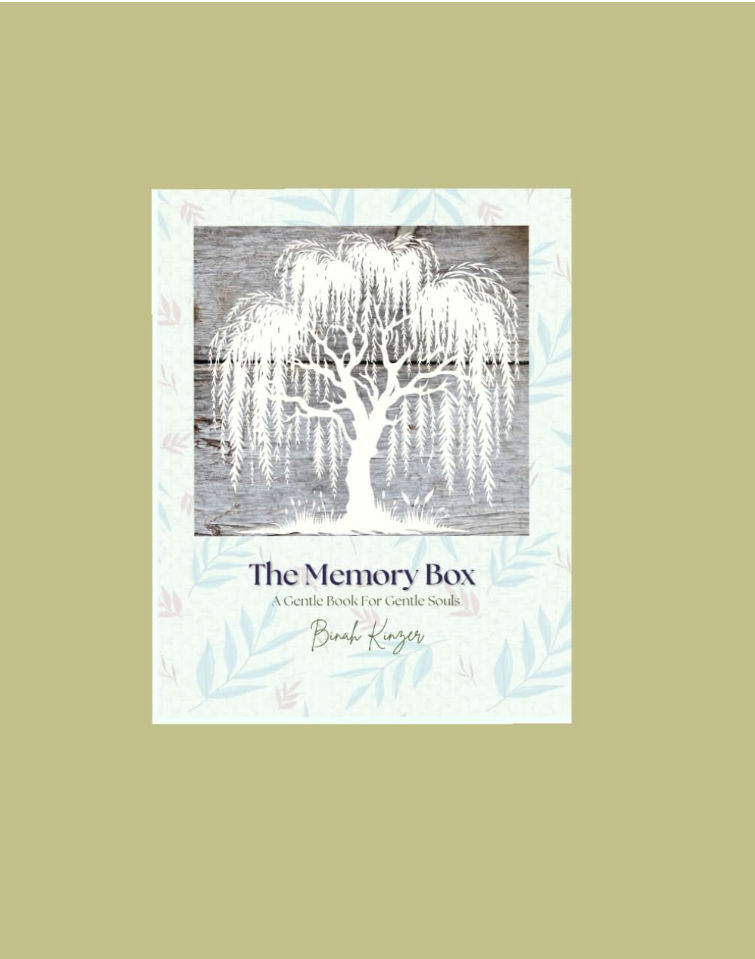
Finding it difficult to speak with your child about the subject of death? The Memory Box was written to help guide those conversations with gentleness, honesty, and compassion. Approached from a Torah-centered perspective and written especially with sensitive and gentle souls in mind, the book offers families a calm and thoughtful way to discuss one of life’s hardest realities without fear or harshness. Through tender language and meaningful imagery, The Memory Box seeks to transform something often frightening or avoided into something filled with beauty, remembrance, love, and peace.